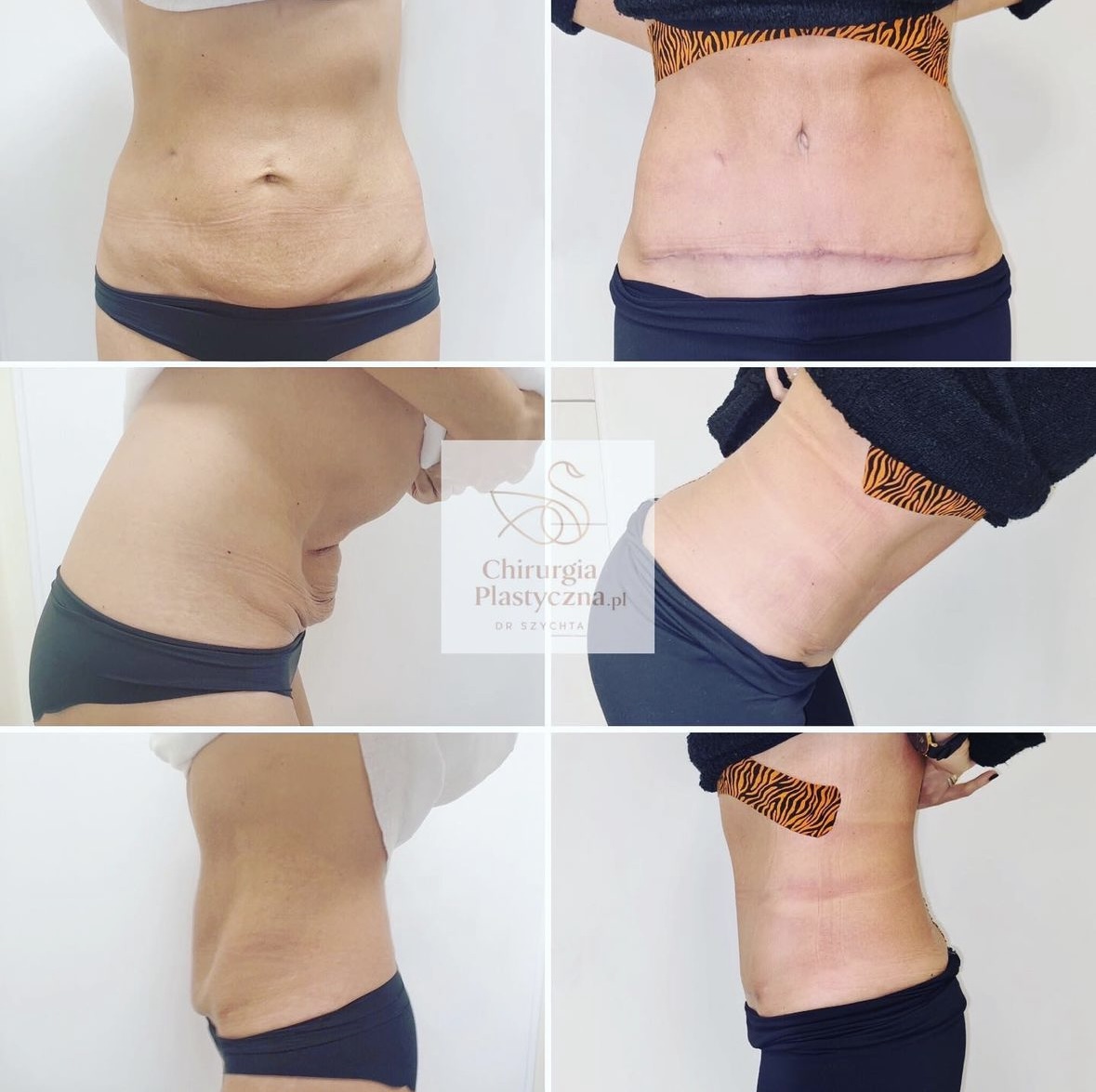
In the standard procedure, the surgeon makes a transverse incision all across the stomach, from one hipbone to the other. Abdominoplasty is normally not restricted to excision of excess skin from the median or lower section of abdominal integuments. The abdominal recti are often shaped to emphasise the waistline and navel position is corrected as well. Some Patients need to have excess fat tissue removed from the operated area, too. The incision is sewn at the end of the procedure. Most surgeons apply absorbable sutures that need not be removed. If classic surgical suture is used, it will be removed after several days.
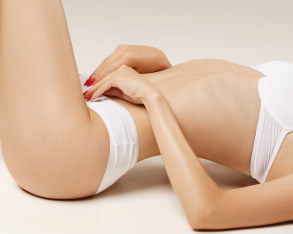
A shapely, firm, and muscular belly is beyond any doubt a strength in a perfect figure and most of us surely would like to have one. In pursuit of this desire, we eat healthy food, control our weight, and try to exercise on a regular basis. Unfortunately, these efforts don’t always bring the desired results. It turns out even those taking good care of themselves who aren’t overweight can develop a substantial and flaccid stomach with plenty of excessive skin. It may arise after a pregnancy, due to ageing or considerable fluctuations in weight, both lost and put on, or it may be hereditary.
Depending on type and extent of abdominal imperfections, full or mini-abdominoplasty is administered, the latter being a less extensive variant of a full surgery of this body area, carried out in Patients whose aesthetic defects are not very widespread and occur below the navel.
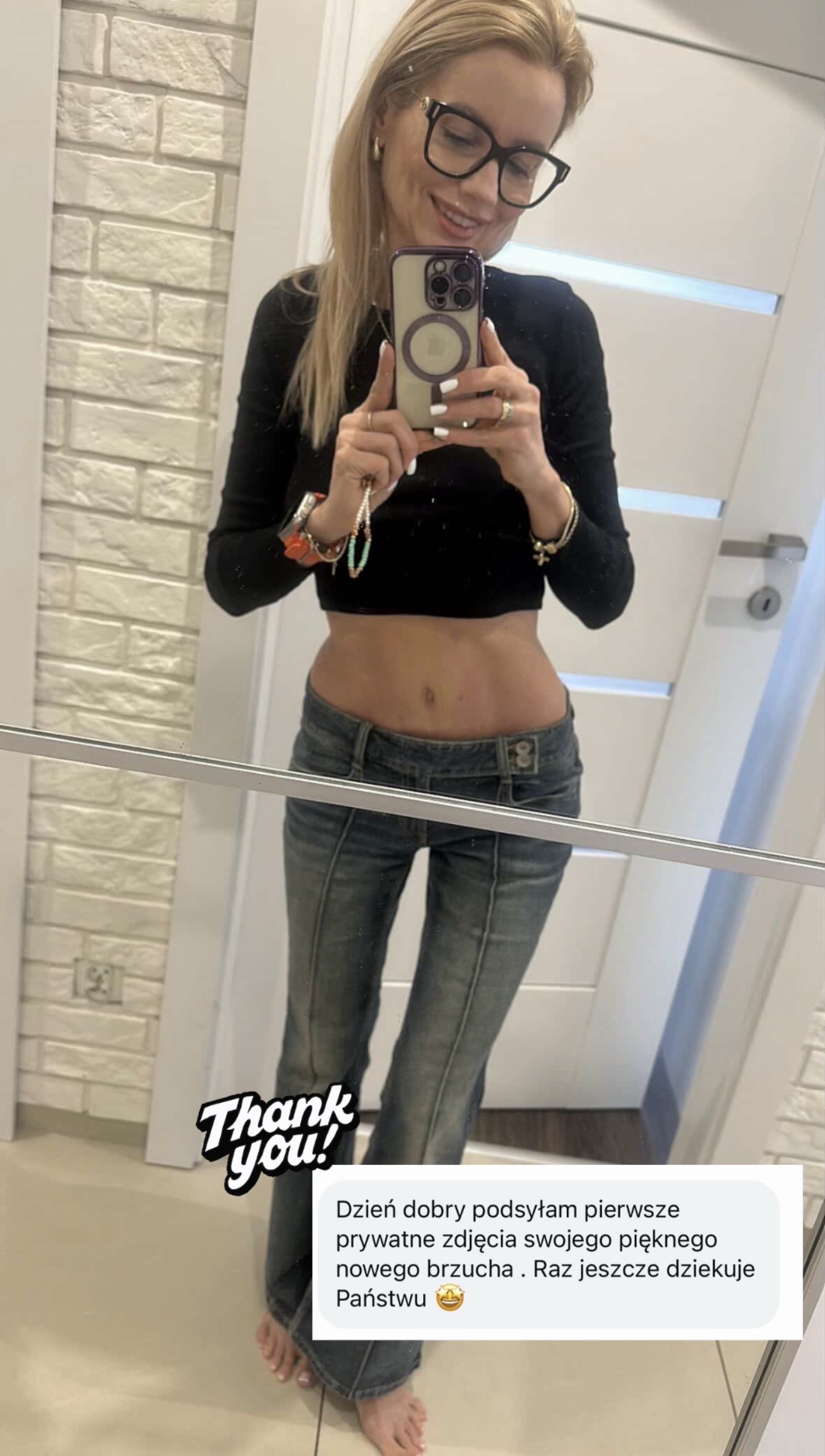
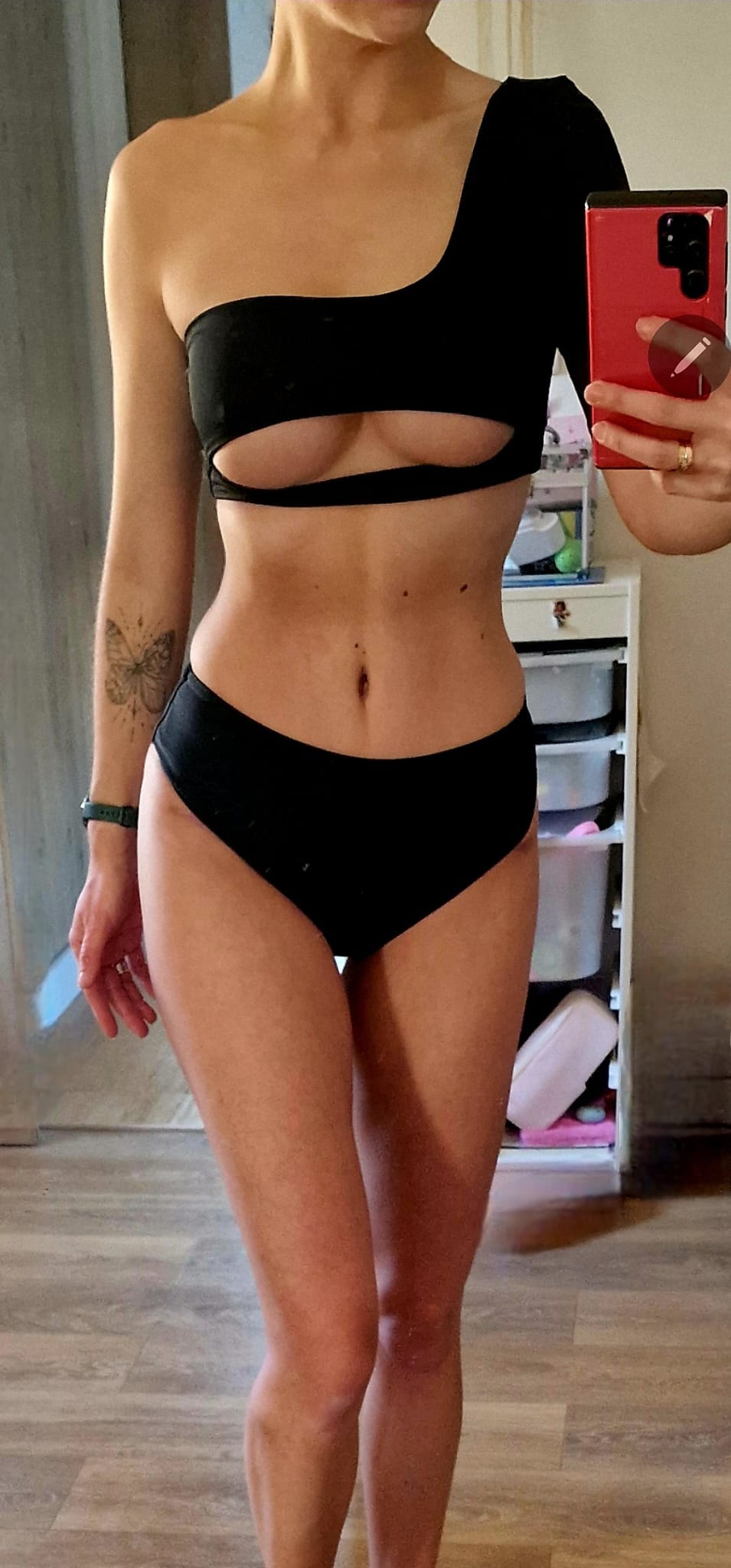
Initial effects of an abdominoplasty can be noted immediately after the surgery, but are more satisfactory after swelling and bruising recede. The full process of healing takes about 6 months, however. The procedure and adequate recovery produce a youthful and nice-looking stomach. Flaccid skin, excess fatty tissue in the area or a broad waist become things of the past. In addition, Patients can get rid of scars left by their caesarean section. Reduced pains are an extra benefit as some load is taken off your spine and the abdominal and pelvis region regains its strength and stability.
You must remember abdominoplasty will never be recommended as a substitute of the natural slimming process, a healthy diet or regular exercise suited to individual needs. It won’t reduce stretch marks above your navel that occasionally arise in people with body weight fluctuations. They may be removed as part of the procedure if they happen to be on the skin surface below the navel.
Abdominoplasty Patients should take special care to maintain a steady weight. Therefore, those planning substantial weight losses and women thinking of getting pregnant should delay decisions to have their stomachs corrected.
Abdominoplasty alone may happen to be insufficient, without bringing satisfactory results, particularly in Patients with considerable deformations of their abdominal integuments or overweight. These Patients should undergo liposuction 3 months before an abdominoplasty or as the first stage of a combined surgery.
Preparation for your procedure:
Patients planning or expecting a surgery are requested to read ‘Guide for the Patient – preparation for your procedure’, available in the INFORMATION section.
Recommendations following an abdominoplasty:
- Stay at the clinic: the Patient will remain at the clinic for 1-2 days following the procedure;
- Dressing and special clothing: pressure clothing is recommended for the first 2-3 weeks of recovery both during the day and at night, then during the day only for another 2 weeks,
- Reduced mobility: lying and a stooping posture when walking are recommended for 1-2 days after the procedure; you mustn’t carry any loads, including children, for at least 2 weeks; a sparing lifestyle for a minimum of 3-4 weeks; you can’t practise sports for at least 6 weeks and when you take it up again, it shouldn’t cause any pain;
- Medication: antibiotic therapy is administered post-operatively. If needed, the Patient takes drugs agreed with their doctor; strong painkillers must be taken with great caution;
- Other: a light diet is recommended for a minimum of 2 weeks; smoking, drinking alcohol or caffeine drinks are prohibited for a minimum of 3 weeks following the procedure, Patients cannot sunbathe or go to a solarium for 6 months; protective high UV filter preparations should be used when sunbathing later;
- Follow-up visits: Patients must attend follow-up visits arranged with their doctor.
Patients will be informed in detail about any recommendations following their procedures at the clinic.