Operative breast augmentation using implants begins with incisions whose locations vary depending on technique. On gaining access to the tissues, the plastic surgeon forms a special pocket to place an implant in. After it is positioned and breasts are precisely formed, multiple layers of the tissue are sewn with absorbable or standard surgical sutures. Once a prosthesis is in place, some surgeons mount drains.
Canons of female beauty were discussed as long ago as in the ancient Rome. They were not forgotten in the ensuing centuries and eras, either. You can learn about them by looking at the many paintings or sculptures produced over time. We can find out as a result what was regarded as symbols of femininity and what constituted attractiveness of the fair sex. Slim blondes with high foreheads were admired in the Middle Ages, while more abundant, Rubenesque shapes prevailed in the Baroque. Canons of beauty shifted a number of times in the last century. Each physical feature seemed to have its moment over the centuries. Beautiful and shapely breasts were always desirable, however. They have been, and will be, inspirations for painters, sculptors, and poets.
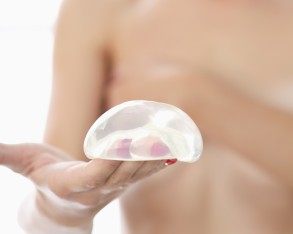
In the contemporary world, a world of highly developed plastic surgery, it’s important for breasts to look natural, too. If a woman is not naturally endowed with a bosom she’s happy with, she can have it corrected by means of breast implants or transplants of her own fatty tissue. Silicone implants are the most common at the moment. Owing to a range of research and long experience of specialist practitioners, an appropriate implant shape and an optimum thickness of its coating have been developed so that they could be safe. Silicone implants contain gel.
While realising your dreams of an ideal breasts that best fits a figure, you can take advantage of round, anatomical (tear-shaped) or ergonomic implants that come in a number of sizes, so that every Patient could satisfy her individual needs. Round implants are of a regular shape and, when they are employed, a breast can be modelled in such a way that all its parts are fuller. Tear-shaped implants, on the other hand, better match the nipple’s anatomy and, once grafted, they produce a more natural bosom shape when standing. Ergonomic implants lend the most natural effects to breasts in a variety of ways.
At the time of a breast augmentation procedure, the surgeon makes incisions around the areola, in the armpit, the inframammary fold or across the inframammary fold (IMF), selecting the variant suited to the target location of the implants and nipple structure. The areolar incision provides the most insight into internal breast structures and most space for manoeuvre where the implant is placed both under the gland and under the greater pectoral. The implant can be positioned very accurately as part of this procedure. An areolar incision normally leaves a minimal scar.
If the Patient has a large inframammary fold, it will provide a perfect location for an incision, which is usually 2-4 cm long. A post-operative scar following this technique will be well concealed. The method of breast augmentation across the armpit has its followers as well. Combining an armpit incision with the potential of endoscope techniques is another popular way of implant placement. As standard, this requires a short incision on the border of hairy and bare skin of the armpit. A combination of transumbilical incision and endoscope techniques allows for a precise positioning of a breast implant under the mammary gland and minimisation of postoperative traces.
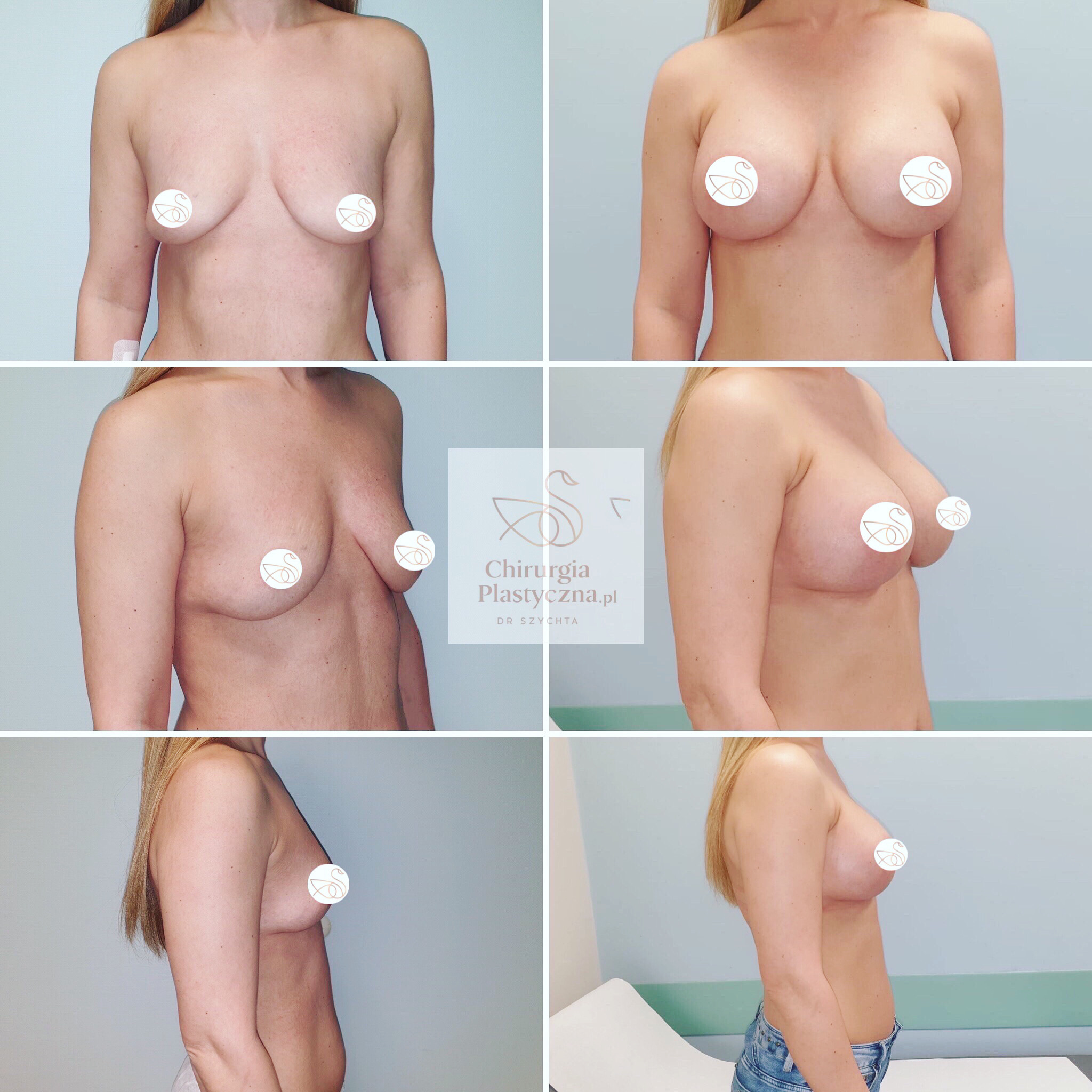
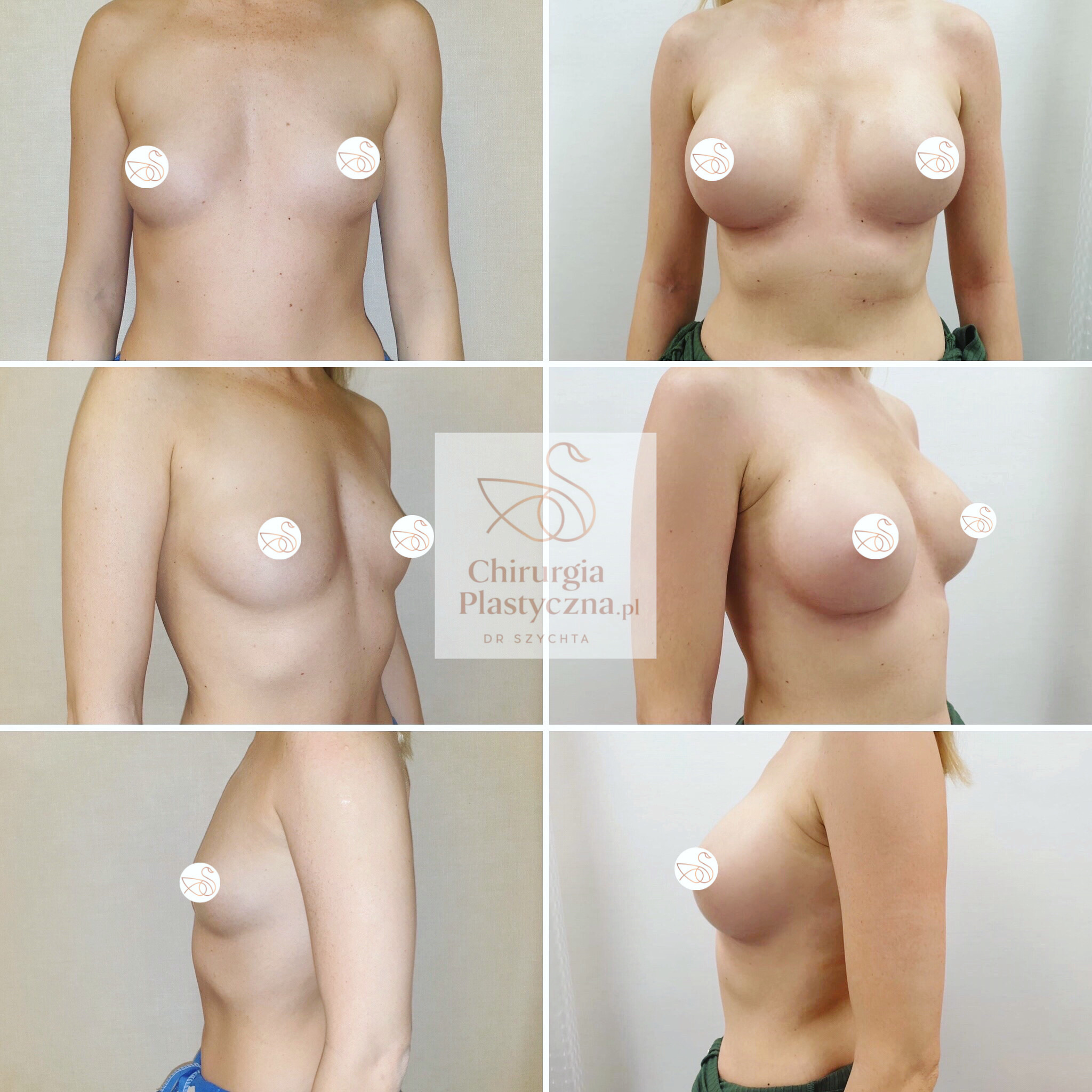
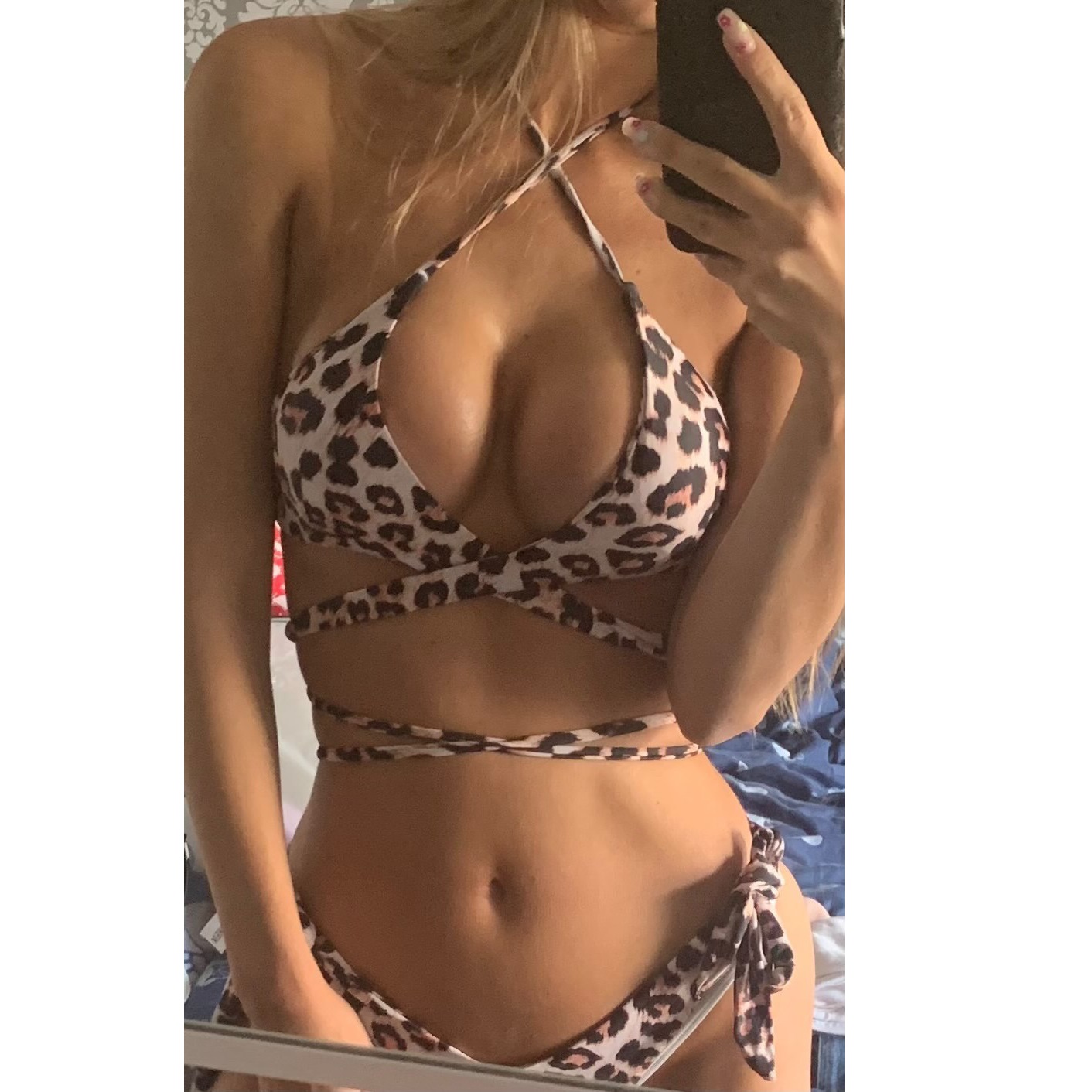
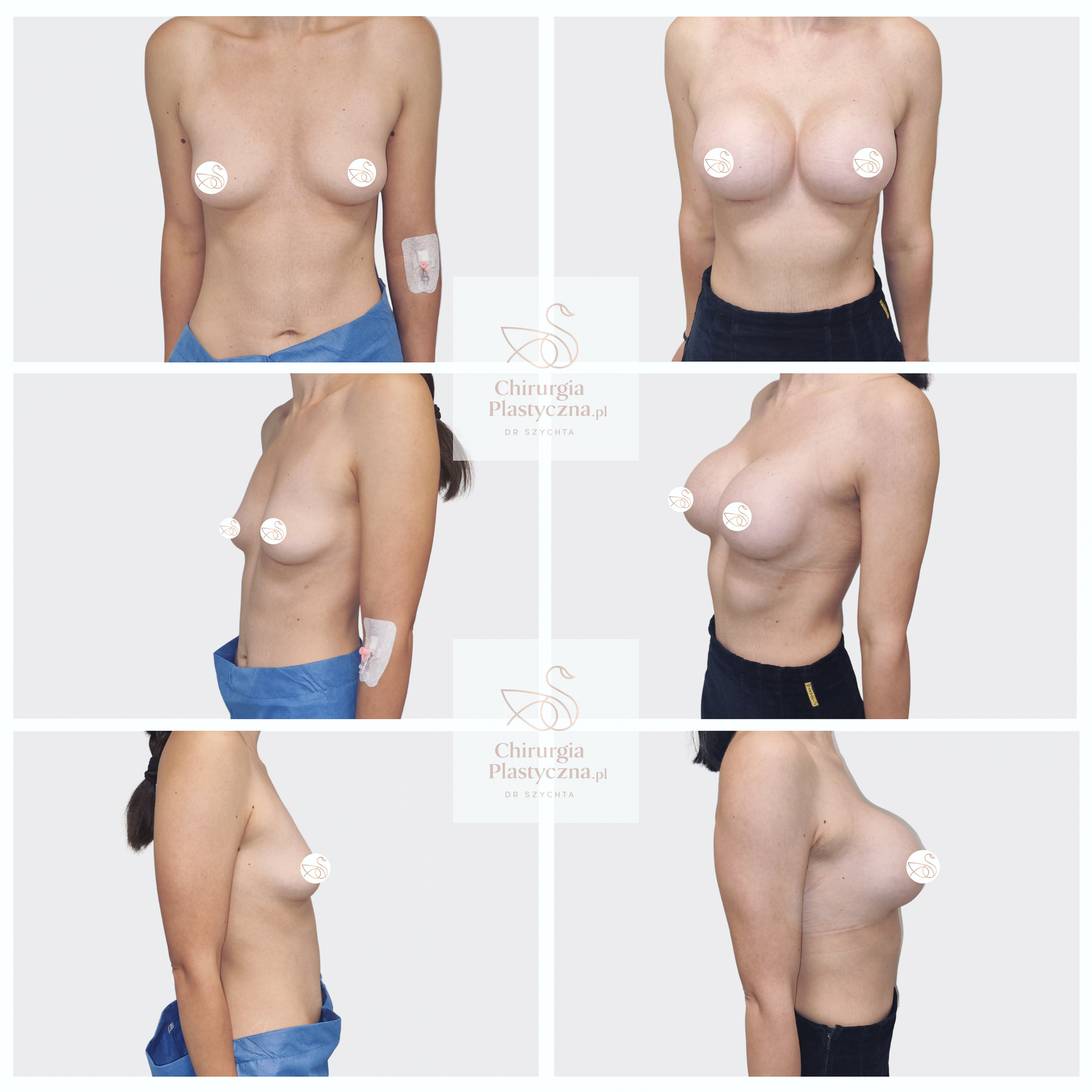
Following the procedure of implant breast augmentation, your bosom is larger and more shapely. It looks natural and becomes an undoubted and eminent asset of your figure.
Preparation for your procedure:
Patients planning or expecting a surgery are requested to read ‘Guide for the Patient – preparation for your procedure’, available in the INFORMATION section.
Recommendations following a breast enlargement with implants:
- Stay at the clinic: if general anaesthesia is applied, the Patient will remain at the clinic for 1-2 days;
- Dressing and special clothing: wear a specially fitted bra for 6 weeks; buttoned clothes are recommended, since those put over your head enforce undesirable arm movements;
- Reduced mobility: sleeping with your head and arms raised is recommended, you mustn’t lift your arms high (above the breast level), twist your waist or lift heavy things for the first 4 weeks after your procedure, avoid violent movements and hold your arms along your body; lie only on your back for at least 6 weeks after your surgery; you mustn’t lie or sleep on your stomach for 6 months; you can take up sports and exercise again after 2 months, though only if they don’t cause pain in the operated region;
- Medication: take antibiotics strictly as ordered by your doctor; take drugs indicated by your doctor before in case of pain; you mustn’t take aspirin or other drugs interfering with blood clotting; a specialist scar ointment is recommended 3 weeks after the surgery;
- Other: prevent your dressing from getting wet when washing, breasts can first be washed after your follow-up appointment; you mustn’t go to a sauna or sunbathe intensely for at least 6 months, a high UV filter cream is recommended;
- Follow-up visits: Patients must attend follow-up visits arranged with their doctor.
Patients will be informed in detail about any recommendations following their procedures at the clinic.