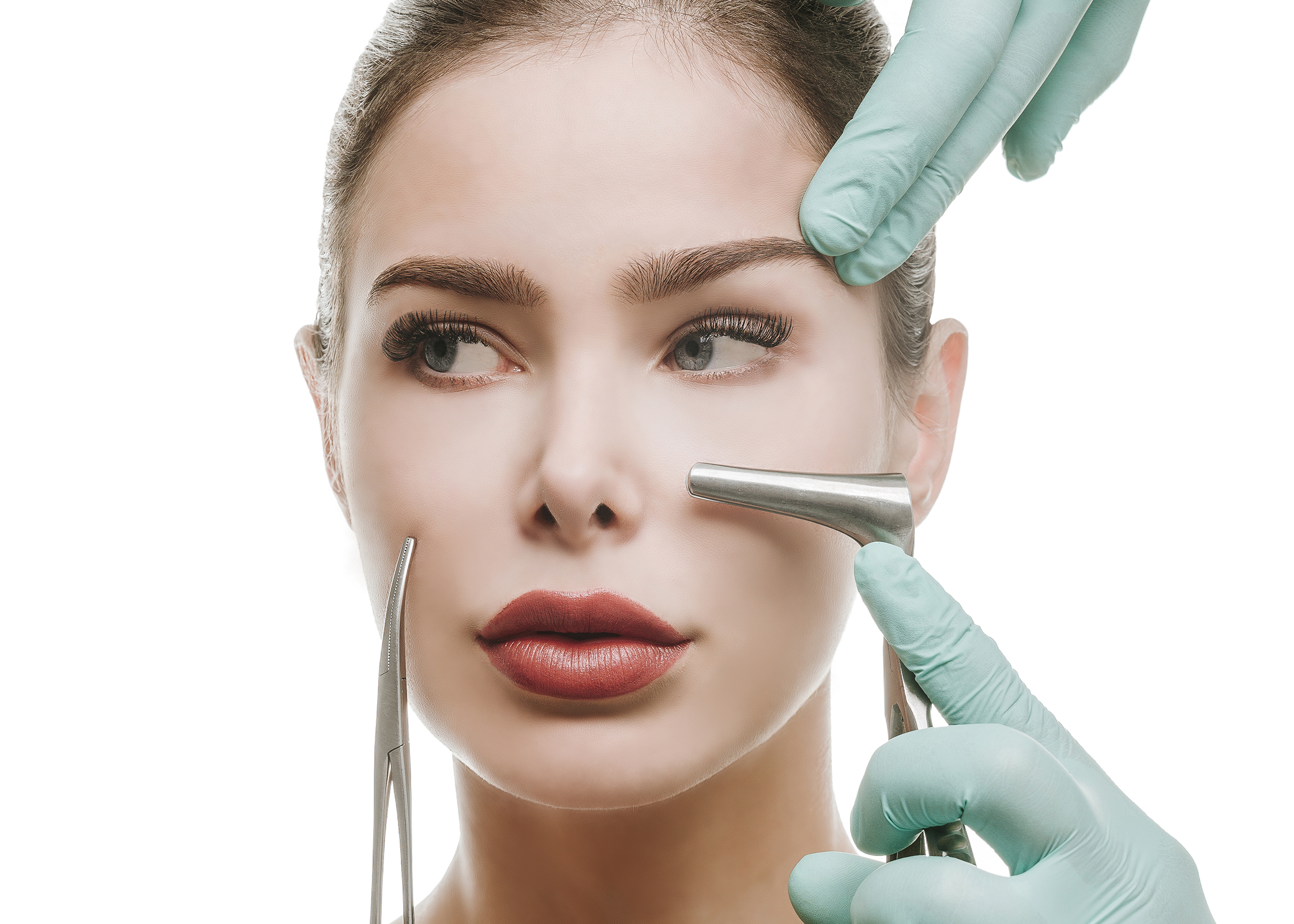
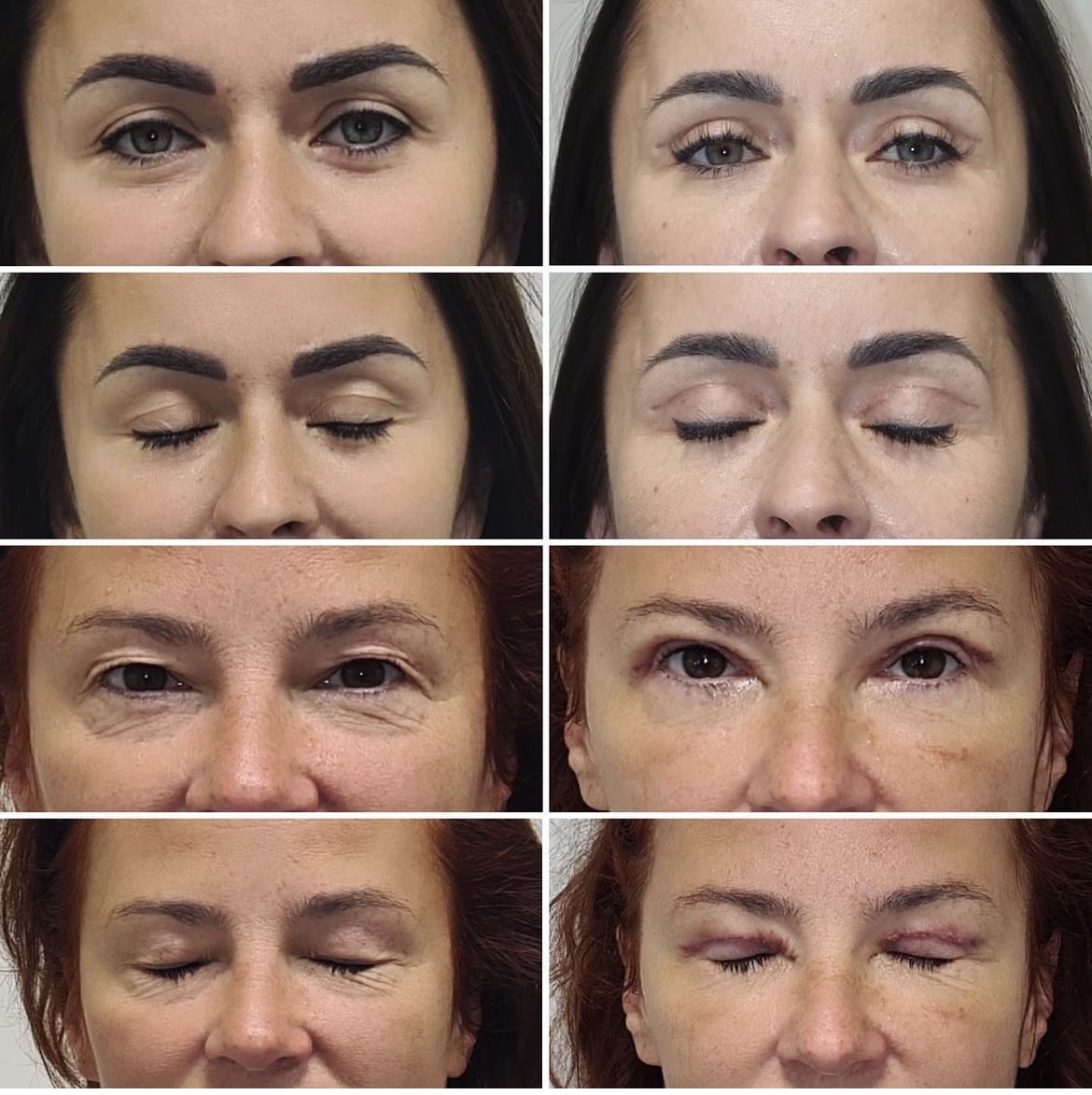
As part of a correction to the upper eyelids, a
plastic surgeon, as planned in advance, makes incisions in natural eyelid
lines, so that traces of the incisions don’t draw attention of those we talk
to.
An upper eyelid correction
begins with surgical removal of excess tissue that hangs down from the upper
eyelids, often restricting your field of vision when you look up. A redundant
flap of skin and part of the orbicular muscle are cut out and fat pads are
partly reduced. The eyelid skin, once
partly reduced, is appropriately tightened and the eyelid is shaped. To produce
a more natural appearance of your eye,
blepharoplasty spares the fat and muscles of your eye socket. The effect is
more natural, though a little of excess tissue remains. Upper eyelid correction
is not a very complicated surgery, however, it requires the surgeon to be very
precise.
Surgical incisions are sewn with very fine
surgical suture, removed after a week. As an alternative, absorbable sutures
are used that vanish in the process of healing and don’t have to be removed.
Upper blepharoplasty can be
undertaken together with other shaping procedures: forehead, face, and neck lifting. The whole of your face looks better
then.
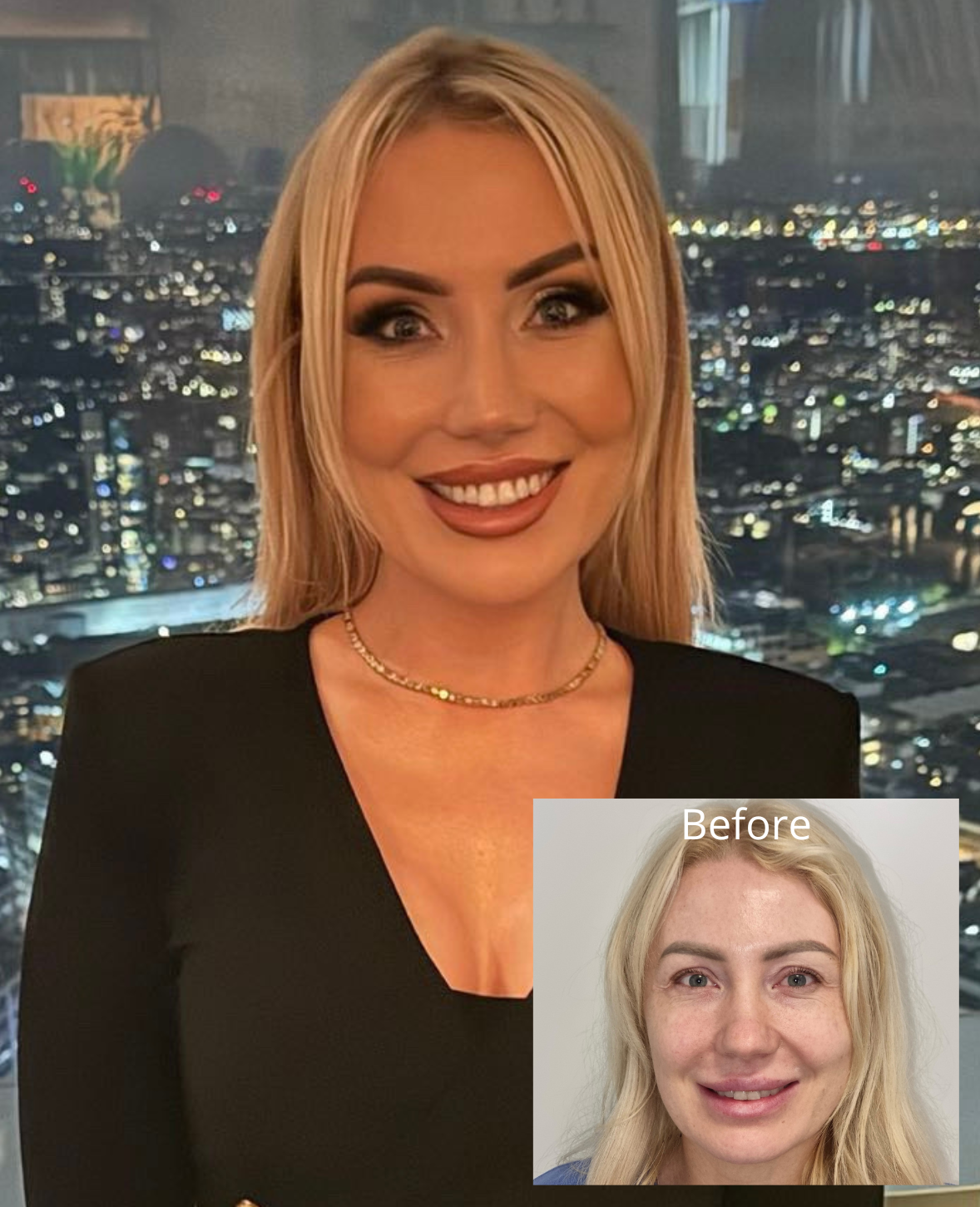
The upper eyelid correction distinctly rejuvenates the eye region. Your eyes regain their former shine and seem more joyful and fuller of energy. For an even more spectacular rejuvenation, the upper blepharoplasty can be supplemented with a wide range of plastic and aesthetic procedures to help reduce wrinkles or highlight other strengths of your face. If we only go for revitalisation of the eye socket region, though, it won’t have adverse effects on perception of the rest of your face. Just the opposite. Properly designed and executed operations in the region of your eye sockets can produce an improved overall effect of a younger face, when compared to results of the limited lifting procedures of the face, forehead or neck themselves. Final effects of the upper blepharoplasty can be appreciated after 1-3 months. The process of healing can take even 2 years.
Preparation for your procedure:
Patients planning or expecting a surgery are requested to read ‘Guide for the Patient – preparation for your procedure’, available in the INFORMATION section.
Recommendations following an upper blepharoplasty:
- Stay at the clinic: following local anaesthesia, the Patient will be able to return home on the very same day;
- Dressing: dressing is not normally applied following a blepharoplasty, it’s only used in case of insufficient eyelid tissue;
- Reduced mobility: a sparing lifestyle and relaxation are recommended; the Patientshould lie with their head raised; don’t drive after your surgery, avoid stooping, lifting burdens, and practice of sports for 2 weeks;
- Medication: antibiotics are not usually administered after the procedure; the Patient takes drugs agreed with their doctor, if needed; if eyelids fail to close, eye moisturising drops are recommended;
- Other: wear sunglasses for the first few days after your surgery to protect your eyes from light and weather factors and to limit blinking; cooling compresses to the eye region are recommended as well; you mustn’t go to a solarium, sauna or sunbathe for 6 months; protect your eyes from the sun;
- Follow-up visits: Patients must attend follow-up visits arranged with their doctor.
Patients will be informed in detail about any recommendations following their procedures at the clinic.